
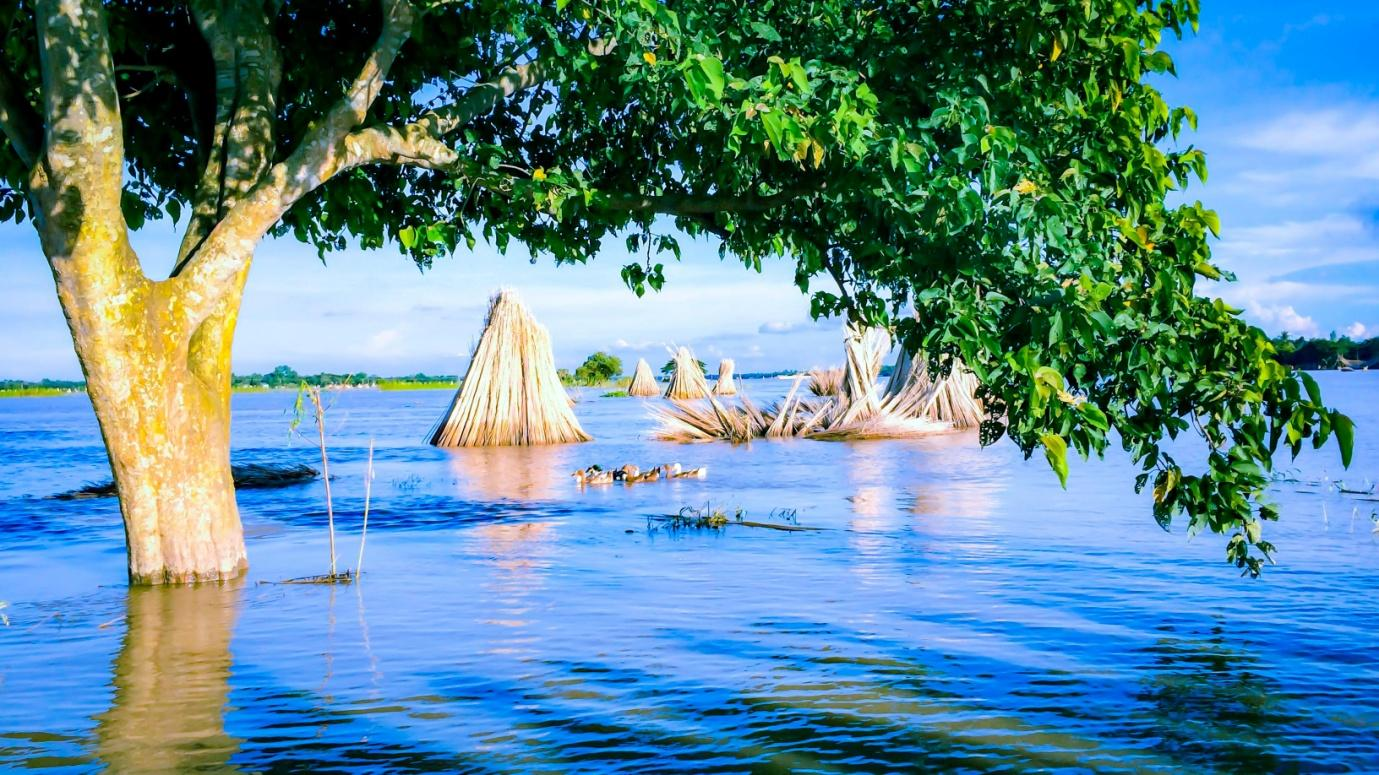
Sea levels are rising, and the effects are being felt across the globe. From vanishing coastlines to displaced communities, the impact of rising oceans is a harsh reality for coastal communities worldwide. Both ecosystems and human settlements are under threat, but there’s hope as communities adapt with resilience and ingenuity.
Let’s explore the threats of rising oceans and the innovative ways people are adapting.
How Rising Oceans Affect Coastal Ecosystems
Coastal ecosystems like mangroves, coral reefs, and wetlands are vital for biodiversity and natural protection against storms. But rising seas are putting these ecosystems at risk.
● Erosion and Habitat Loss: Higher tides and increased storm surges erode shorelines, destroying habitats for species like sea turtles and migratory birds.
● Saltwater Intrusion: Rising ocean levels lead to saltwater seeping into freshwater systems, affecting crops, drinking water, and species dependent on freshwater habitats.
● Coral Reef Decline: Warmer oceans contribute to coral bleaching, while higher sea levels can reduce sunlight reaching these underwater ecosystems, threatening marine biodiversity.
Impact on Human Habitats
Humans aren’t immune to the challenges posed by rising oceans. Coastal cities and low-lying communities face mounting risks every day.
● Displacement: Millions of people living in coastal regions risk losing their homes due to flooding and land loss. Island nations like the Maldives are already experiencing these effects.
● Economic Strain: When ecosystems collapse, coastal industries like fishing and tourism suffer , leading to job losses and economic instability.
● Infrastructure Damage: Roads, bridges, and buildings near the coast are at higher risk of flooding and storm damage, straining public resources.
How Communities Are Adapting
Despite the challenges, communities are finding ways to adapt:
● Restoring Natural Defenses: Projects to rebuild mangroves and wetlands provide natural barriers against storm surges.
● Building Resilient Infrastructure: Coastal cities are elevating buildings, constructing sea walls, and investing in flood-resistant designs.
● Innovating Policies: Governments are implementing strategies like managed retreats, where at-risk communities are relocated to safer areas.
A Call to Act
Rising oceans demand urgent action, and every effort counts. By staying informed and supporting sustainable practices, you can make a difference.
Explore how you can help at the Conservation Institute. Together, we can safeguard nature and human habitats from the challenges of rising seas.


