
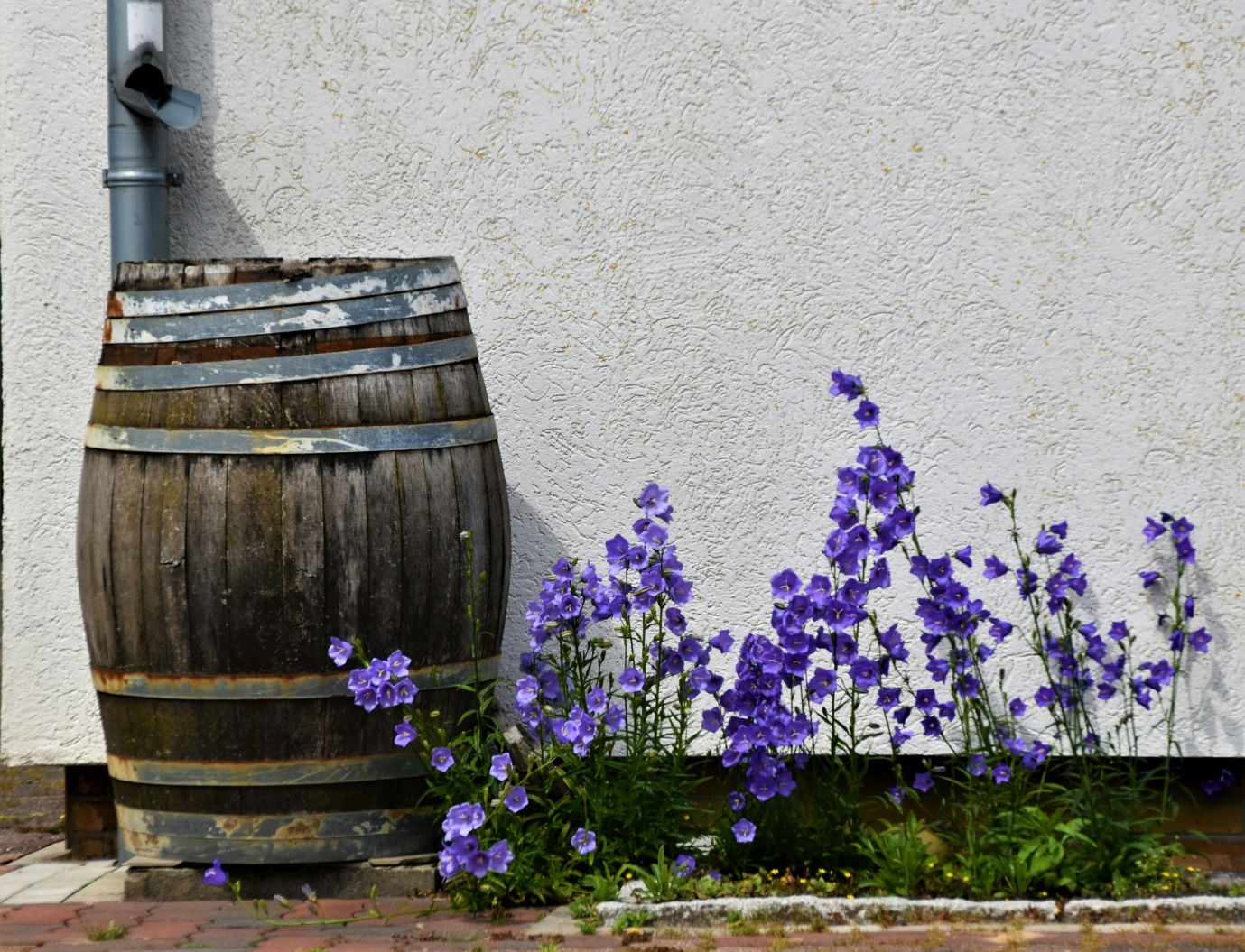
In a world where water conservation is becoming increasingly vital, installing a rainwater harvesting system at home is an easy and sustainable way to reduce your water usage. Whether you want to water your garden or save on your water bill, harvesting rainwater in your backyard is an eco-friendly solution.
Here’s a simple guide to get you started.
Why Start a Rainwater Harvesting System?
Before diving into the technicalities, let’s talk about why this system is so important. Rainwater harvesting is a great way to conserve water, especially in regions facing water scarcity or droughts. By collecting rainwater, you’re reducing reliance on municipal water systems, which benefits both the environment and your wallet.
Choosing the Right Setup
The first step in creating your rainwater collection system is deciding on the setup that works for your needs. For most homeowners, a basic system includes a rain barrel or a larger storage tank connected to your roof’s gutter system.
The collected rainwater can be used for a variety of purposes, including irrigation, washing your car, or even flushing toilets.
Make sure to place the barrel or tank in a shaded area to prevent algae growth. You’ll also need to install a first-flush system, which diverts the initial dirty runoff away from the storage container.
The Installation Process
Setting up a rainwater harvesting system is easier than you might think. Most systems require just a few basic tools and a bit of DIY effort. Start by connecting your gutter system to a downspout that leads into your collection container. You’ll need to ensure the container is secure and has a tight-fitting lid to prevent debris and insects from getting inside.
Don’t forget about filtering! A mesh filter or fine screen at the top of the container will help catch leaves, dirt, and other debris from entering your rainwater collection.
Maintenance Tips
Maintaining your system is key to ensuring it works efficiently. Regularly clean your gutters and filters to prevent blockages. Empty the barrel if it’s full to avoid overflow, and check the system at the start of each season for any wear or tear.
The Benefits of Rainwater Harvesting
Not only does harvesting rainwater help you save money and conserve water, but it also provides a more sustainable and eco-friendly solution for your garden. You’ll find your plants thriving with naturally soft, chemical-free water.
Ready to start your rainwater harvesting system? Visit the Conservation Institute for more tips and a step-by-step guide to installing your own system and conserving water today!


